
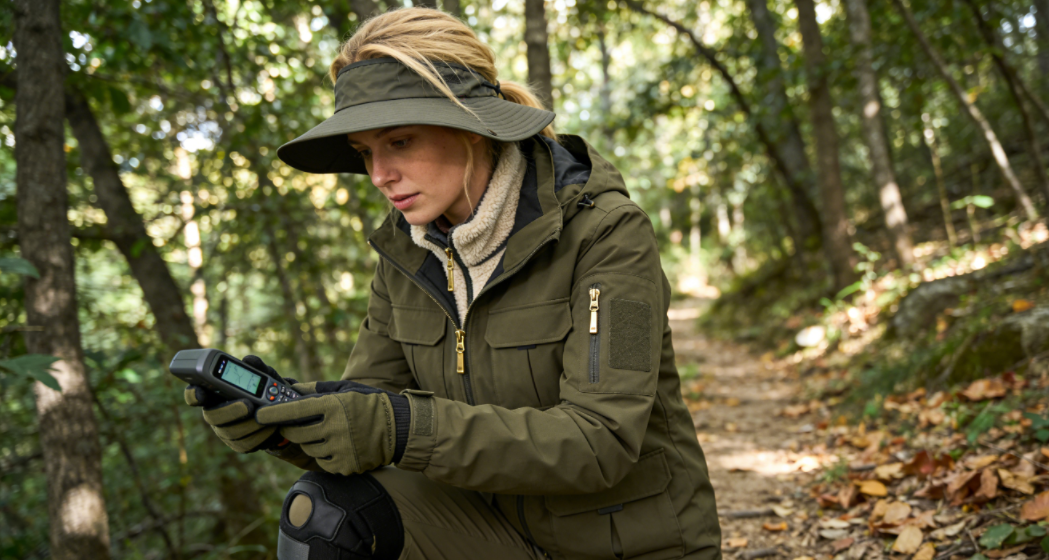
The Professional Woman’s Guide to Outdoor Gear and Apparel
The modern professional woman in the outdoor sphere demands gear and apparel that match her ambition, resilience, and expertise. No longer is “unisex” a satisfactory standard. High-performance outdoor equipment for women must address specific physiological realities, ensuring comfort, safety, and peak performance in demanding environments, from alpine summits to deep wilderness trails. This comprehensive guide explores the essential components of a professional outdoor kit, focusing on the specialized clothing and equipment necessary for excellence in any demanding outdoor pursuit.
I. The Core Philosophy: Systems and Fit
The foundation of any successful outdoor endeavor lies in a thorough understanding of the layering system and the paramount importance of gender-specific fit.
A. The Layering System: Protection and Adaptability
Professional outdoor apparel functions as an integrated system, designed to manage temperature, moisture, and external elements.
The Baselayer: Moisture Management This is the skin’s direct line of defense. A professional baselayer for women must excel at wicking sweat away from the body, maintaining a dry microclimate to prevent chilling. Materials should be fast-drying and odor-resistant. Long-sleeve tops and leggings are essential, ideally constructed with varied knit structures—thicker in high-exposure areas and lighter in zones prone to overheating—to map the body’s thermal needs. A professional fit accommodates the female form, reducing bunching and ensuring maximum skin contact for effective wicking.
The Midlayer: Insulation and Breathability The midlayer provides critical warmth. Modern insulation options, whether synthetic or natural, offer an exceptional warmth-to-weight ratio. For high-output activities like ski mountaineering or fast-paced trekking, a breathable fleece or grid-backed midlayer is ideal, providing warmth while dumping excess heat. For static activities or extreme cold, a heavier synthetic or down-filled midlayer offers superior thermal retention. The fit is crucial here; a well-designed midlayer offers an athletic cut that moves with the body, without excess bulk that could restrict the outer shell.
The Outer Shell: Weather Shield The final layer protects against wind, rain, and snow. A professional shell jacket and pants must be fully waterproof, windproof, and breathable. Advanced membranes are key, allowing internal moisture vapor to escape while blocking external precipitation. Specialized shells for women often feature tailored shoulders and bust-lines, and hip-length cuts that work effectively with climbing harnesses or backpack hip belts. Features like helmet-compatible hoods, articulated knees and elbows, and strategically placed vents are non-negotiable for professional-grade use.
B. The Science of Women’s Fit
Beyond simple sizing, professional outdoor clothing must be anatomically designed for women. This includes:
Torso and Hip Design: Jackets and pants must accommodate different hip-to-waist ratios, ensuring a comfortable seal without gaping or excessive tightness. Shell pants often feature side zippers that allow for easy donning and doffing over boots, with a fit that allows for full range of motion.
Shoulder and Arm Mobility: Jackets are cut to ensure that reaching overhead, a common movement in climbing or setting up camp, does not lift the hem of the jacket from under a harness or hip belt.
Footwear Lasts: Professional hiking, mountaineering, and climbing boots use lasts (the internal mold of the boot) specifically contoured for the narrower heel and higher arch typically found in women’s feet. This specialized fit dramatically reduces the risk of blisters, heel slippage, and pressure points, which are critical concerns on long expeditions.
II. Essential Professional Equipment
While clothing provides the system, specialized equipment provides the capability. Selecting gear that is reliable, lightweight, and tailored for professional female use is paramount.
A. Backpacks: Load Carriage Engineered for Comfort
A backpack is an extension of the professional’s body, and fit is everything. Women’s specific packs feature:
Torso Length: Shorter and adjustable torso lengths to match the typically shorter female torso.
Shoulder Straps: S-shaped or contoured straps designed to curve around the bust area without causing pressure points or chafing.
Hip Belt: Conical hip belts that cup the hips at a slight angle, providing comfortable and effective load transfer to the lower body, which is essential for carrying heavy loads over long distances. For technical packs, the hip belt must be minimal enough not to interfere with a climbing harness.
B. Sleeping Systems: Thermal Efficiency
A professional-grade sleeping system must be thermally efficient.
Sleeping Bags: Many high-performance sleeping bags designed for women have slightly different dimensions—narrower shoulders and wider hips—and often incorporate extra insulation in the foot box and core area, reflecting physiological differences in how women generate and retain heat. The insulation rating must be appropriate for the coldest expected environment, with high-quality, responsibly sourced down or advanced synthetic fibers providing maximum loft and compressibility.
Sleeping Pads: Pads with a higher R-value (thermal resistance) are critical, especially in cold conditions. Women’s pads are sometimes shorter and strategically insulated in the torso to save weight while prioritizing core warmth.
C. Technical Tools: Safety and Function
For specialized activities, the equipment must meet rigorous safety and functional standards.
Climbing Harnesses: Women’s harnesses are designed with a larger rise (the distance between the leg loops and the waist belt) to accommodate the female figure, ensuring the waist belt sits comfortably above the hips and the leg loops are positioned correctly for safety and comfort during hanging.
Trekking Poles: Often adjustable and lightweight, poles help offload stress from the knees. Women’s specific models may have smaller grips and a lighter overall weight, though functionality remains the primary consideration.
Headlamps: Essential for safety and navigation. A professional headlamp requires powerful lumens, long battery life, and multiple modes (flood, spot, red light), with a comfortable, secure band that is easily adjustable.
III. The Details That Define Professionalism
In the field, success often hinges on meticulous attention to detail. Professional apparel integrates subtle features that enhance utility and durability.
Pockets and Access: Pockets are strategically placed to be accessible while wearing a pack or a harness. For instance, high-set hand pockets on a shell jacket or cargo pockets on technical pants that are easy to access while seated or kneeling.
Abrasion Resistance: Areas prone to wear, such as the shoulders, elbows, and knees, are reinforced with durable materials like high-tenacity nylon or specialized aramid fibers. This extends the lifespan of the gear, a crucial consideration for professionals who rely on their equipment daily.
Gaiters and Ankle Closures: On technical pants, robust internal gaiters or adjustable ankle closures prevent snow, debris, and moisture from entering boots, maintaining a dry and safe internal environment.
Gloves and Mitts: A system of gloves is necessary: a lightweight, wicking liner glove, a moderately insulated and weather-resistant softshell glove, and a fully waterproof, highly insulated shell mitt for extreme conditions. Sizing is vital, with female-specific cuts ensuring dexterity without excess fabric in the fingers.
Conclusion: Confidence Through Capability
The evolution of professional outdoor gear and apparel for women reflects a recognition that peak performance requires tailored tools. By adhering to the principles of systematic layering, demanding a specialized fit, and selecting equipment based on performance and durability, the professional woman can build an outdoor kit that not only protects her but actively enhances her capabilities. The right gear is a silent partner, enabling concentration, pushing boundaries, and ultimately leading to more confident and successful engagement with the natural world. Investing in professional-grade, gender-specific equipment is not a luxury—it is a prerequisite for safety, comfort, and mastery in the demanding outdoor environment.
Would you like me to focus on a specific outdoor activity, such as mountaineering or trail running, and expand on the technical gear requirements for that discipline?